



Digital Sunset Cue
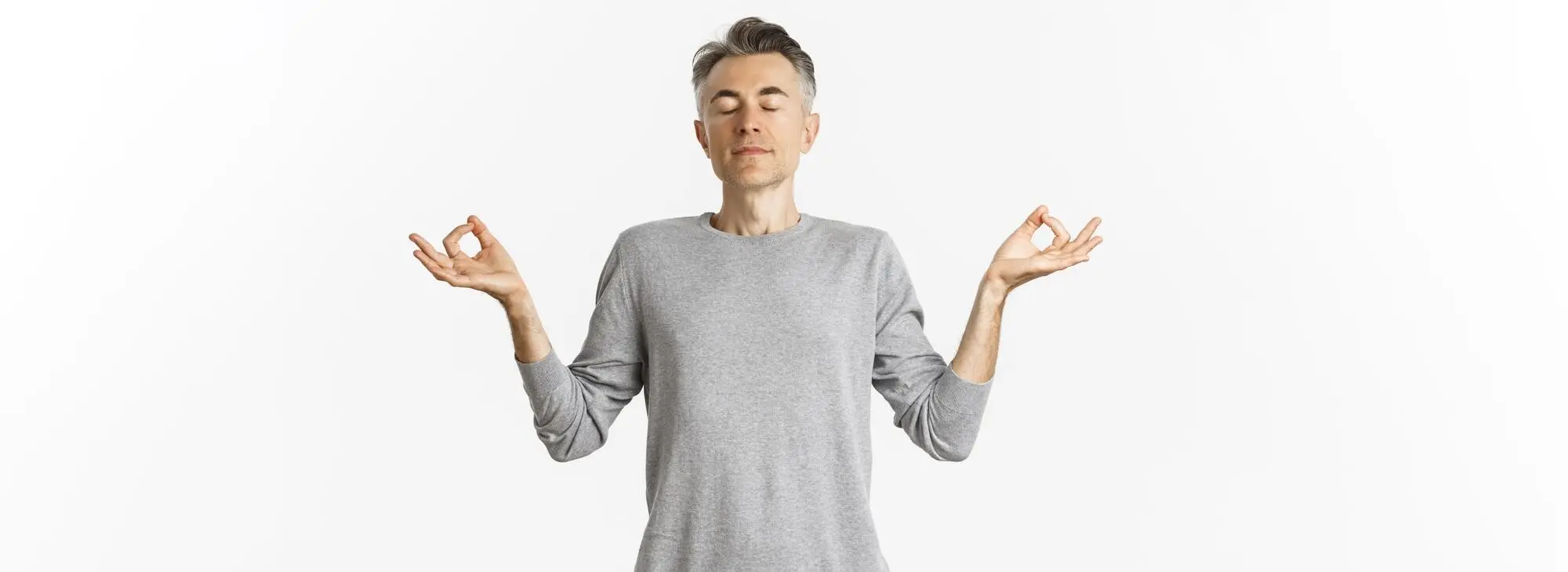
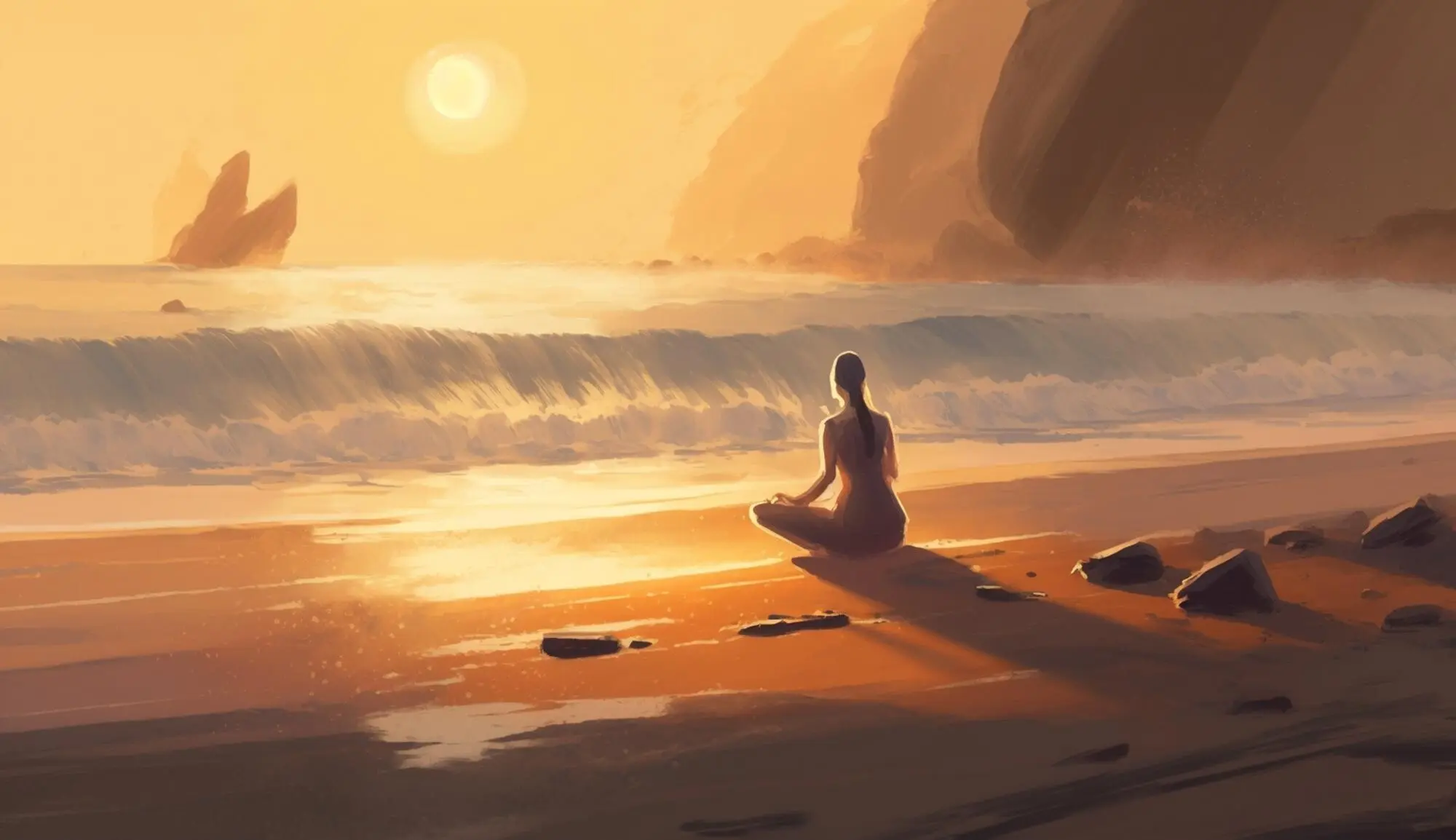
Set an alarm that says, “Dim the day.” When it rings, lower lights, enable night mode, and place your phone face down in another room for exactly two minutes. During this window, look at something gentle: a plant, a postcard, the moon if available. Breathe slowly and unclench your jaw. The point is association: your nervous system learns that this cue predicts rest. Over days, you will crave that two-minute corridor of quiet, which naturally expands without force, just like dusk expanding into night.

Aromatic Tea Pause
While the kettle hums, bring your nose close to the steam and practice three soft inhales, noticing notes of mint, chamomile, or citrus. Feel the cup’s warmth anchor your hands. Sip slowly, listening for the tiny sound of breath meeting steam. This sensory focus escorts rumination out of the spotlight. Set a two-minute timer to keep it easy. Maya’s nightly tea pause once felt trivial; now her family recognizes it as the house’s exhale. Small, repeated pleasures rewire evenings toward softness and safety.
Close the Loop Journal
Open a notebook and write two lines: what mattered today, and one kind sentence to tomorrow. Example: “Called my aunt; felt connected. Tomorrow, begin gently.” Keep the handwriting legible and slow, savoring the pen glide. This closes open tabs in the mind and installs a friendly intention. Two minutes is enough. Over time, the notebook becomes a map of care rather than tasks. Readers say they sleep faster when the page holds tomorrow’s weight kindly, letting the pillow hold their head instead of worries.